
School Readiness Skills: What Occupational Therapists Look For
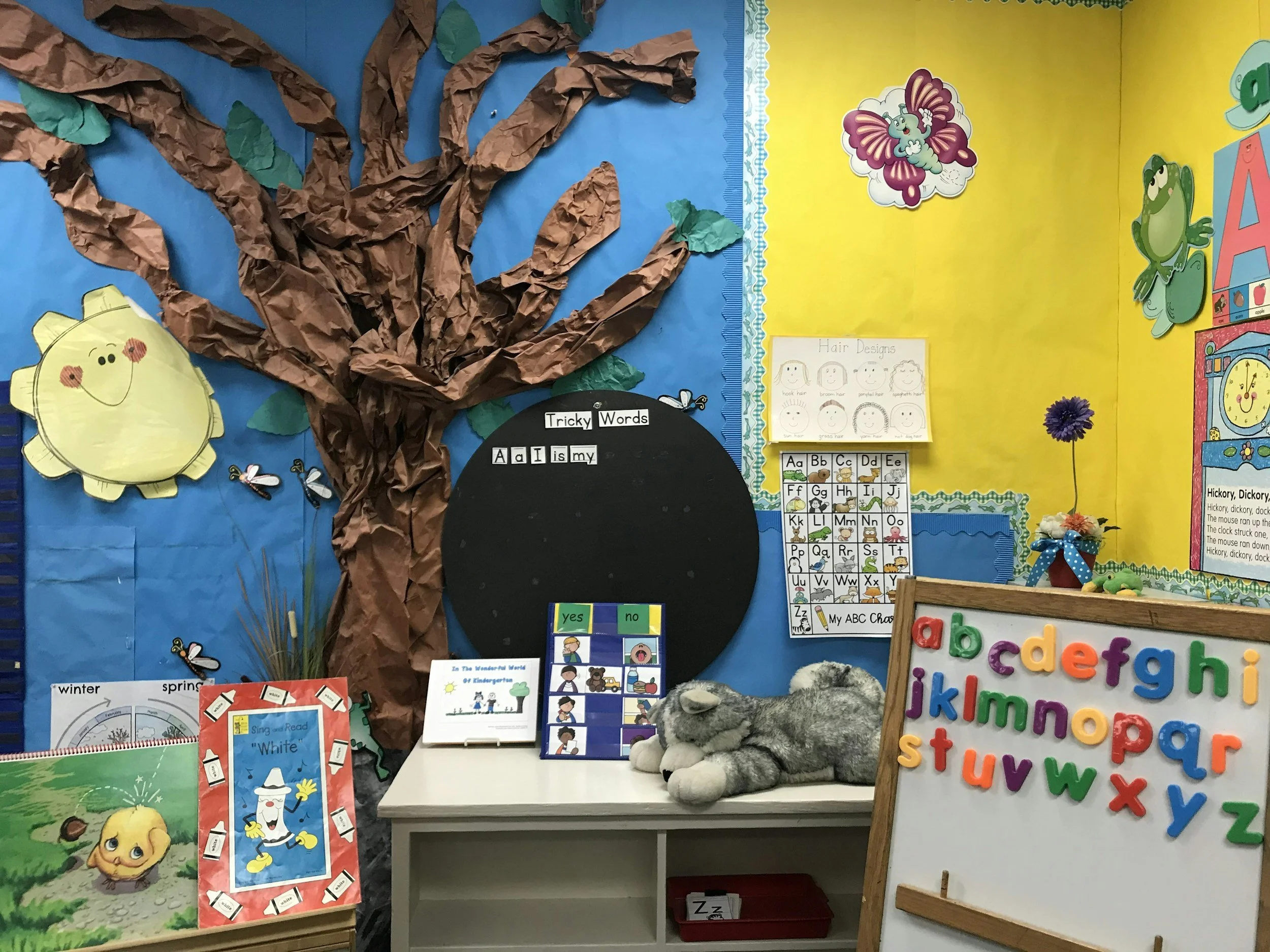
Starting school is an exciting milestone for children and families. While many parents think of school readiness as knowing letters, numbers, shapes, and colors, being ready for school involves much more than academic knowledge.
Children use a wide variety of skills throughout their school day. They need to manage classroom routines, interact with peers, use school supplies, participate in play, communicate their needs, and complete age-appropriate self-care activities.
Occupational therapists look at the whole child and consider the skills that help children participate successfully in the classroom and school environment.
Here are some of the key areas occupational therapists may consider when looking at school readiness.
1. Fine Motor Skills
Fine motor skills involve using the small muscles of the hands and fingers to complete precise movements.
Children use these skills throughout the school day for activities such as:
Holding and using a pencil
Coloring
Drawing
Cutting with scissors
Gluing
Manipulating small classroom materials
Opening containers
Managing buttons, zippers, and other fasteners
Children don't need perfect handwriting before starting school, but they should be developing the foundational skills needed to participate in age-appropriate classroom activities.
Activities such as coloring, playing with play dough, building with blocks, completing puzzles, and using child-safe scissors can provide fun opportunities to practice fine motor skills.
2. Visual-Motor Skills
Visual-motor skills involve coordinating what the eyes see with how the hands move.
These skills are important for many classroom activities, including:
Copying shapes
Drawing
Writing
Coloring within an area
Cutting along a line
Completing puzzles
Building with blocks
Manipulating classroom materials
For example, a child may recognize a shape but have difficulty copying it onto paper. This may involve visual-motor coordination rather than simply knowing what the shape looks like.
3. Gross Motor Skills
Although occupational therapy often focuses on fine motor skills, gross motor development is also an important part of school participation.
Children use gross motor skills when they:
Walk and run
Climb
Jump
Navigate playground equipment
Participate in physical education
Sit upright at a desk
Move safely around the classroom
A child's ability to move comfortably through their environment can affect how easily they participate in school activities.
4. Self-Care and Independence
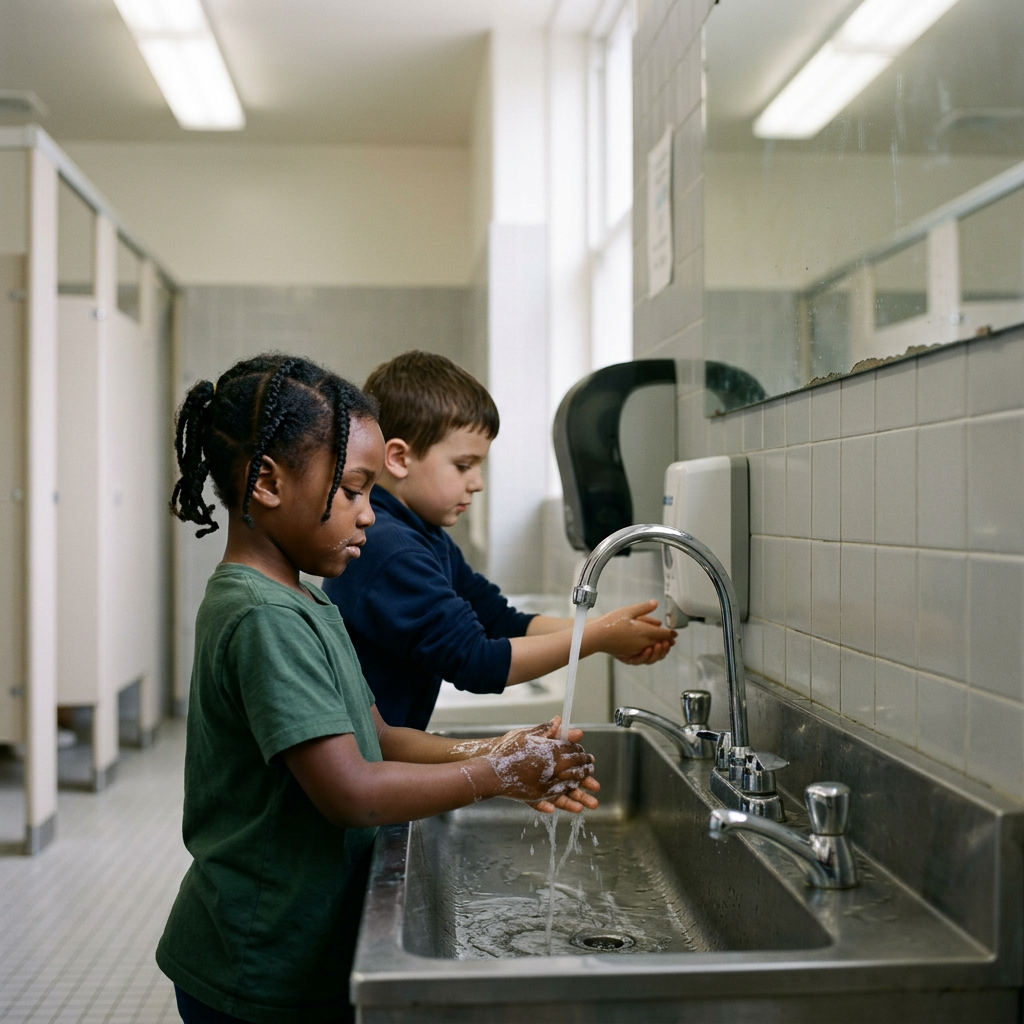
School requires children to manage many everyday tasks with increasing independence.
Depending on their age and school setting, children may be expected to:
Use the bathroom
Wash their hands
Put on and take off a coat
Manage shoes
Open lunch containers
Eat independently
Pack or unpack belongings
Put materials away
Manage basic clothing fasteners
Children don't need to perform every task perfectly, but developing independence with age-appropriate self-care can make the school day easier.
Parents can encourage independence by giving children opportunities to try tasks on their own before stepping in to help.
5. Attention and Participation
Being able to participate in classroom activities requires more than knowing academic concepts.
Children may need to:
Listen to instructions
Attend to an activity
Follow simple directions
Sit and participate for an age-appropriate amount of time
Shift attention between activities
Complete a task
Ask for help when needed
Attention can vary depending on the activity, environment, and child's individual needs.
It's also important to remember that young children are not expected to sit perfectly still for long periods. Movement, play, and developmentally appropriate breaks are normal parts of early childhood.
6. Sensory Processing
The school environment can provide children with many different sensory experiences.
Children may encounter:
Loud voices
Classroom noises
Bright lights
Crowded spaces
Different textures
Strong smells
Unexpected touch
Frequent movement
Changes in routine
Some children may have difficulty processing or responding to certain sensory experiences.
An occupational therapist may look at how sensory processing affects a child's ability to participate in school routines.
For example, a child who becomes overwhelmed by noise may have difficulty participating during a busy classroom activity. Understanding the child's needs can help adults develop appropriate strategies to support participation.
7. Emotional Regulation
School involves many emotions.
Children may need to cope with:
Waiting
Sharing
Losing a game
Making mistakes
Changes in routine
Transitions
Frustrating tasks
Separating from caregivers
Interacting with peers
Emotional regulation doesn't mean children should never become upset. Rather, it involves gradually developing the ability to recognize emotions, communicate needs, use appropriate strategies, and recover from challenging experiences.
Occupational therapists may help children develop strategies for managing emotions and participating in routines.
8. Motor Planning
Motor planning is the ability to figure out, organize, and carry out a movement or series of movements.
Children use motor planning skills when they:
Learn a new movement
Navigate playground equipment
Use scissors
Complete a craft
Get dressed
Follow a multi-step movement sequence
Participate in new games
A child who frequently struggles to figure out how to complete unfamiliar physical tasks may benefit from additional support with motor planning.
9. Bilateral Coordination
Bilateral coordination means using both sides of the body together in a coordinated way.
This skill is important for activities such as:
Cutting with scissors
Opening containers
Holding paper while writing
Using both hands to build
Buttoning clothing
Tying shoes
Manipulating classroom materials
Many everyday activities naturally give children opportunities to practice using both hands together.
Building with blocks, stringing beads, playing with play dough, and completing crafts can all encourage bilateral coordination.
10. Social and Play Skills
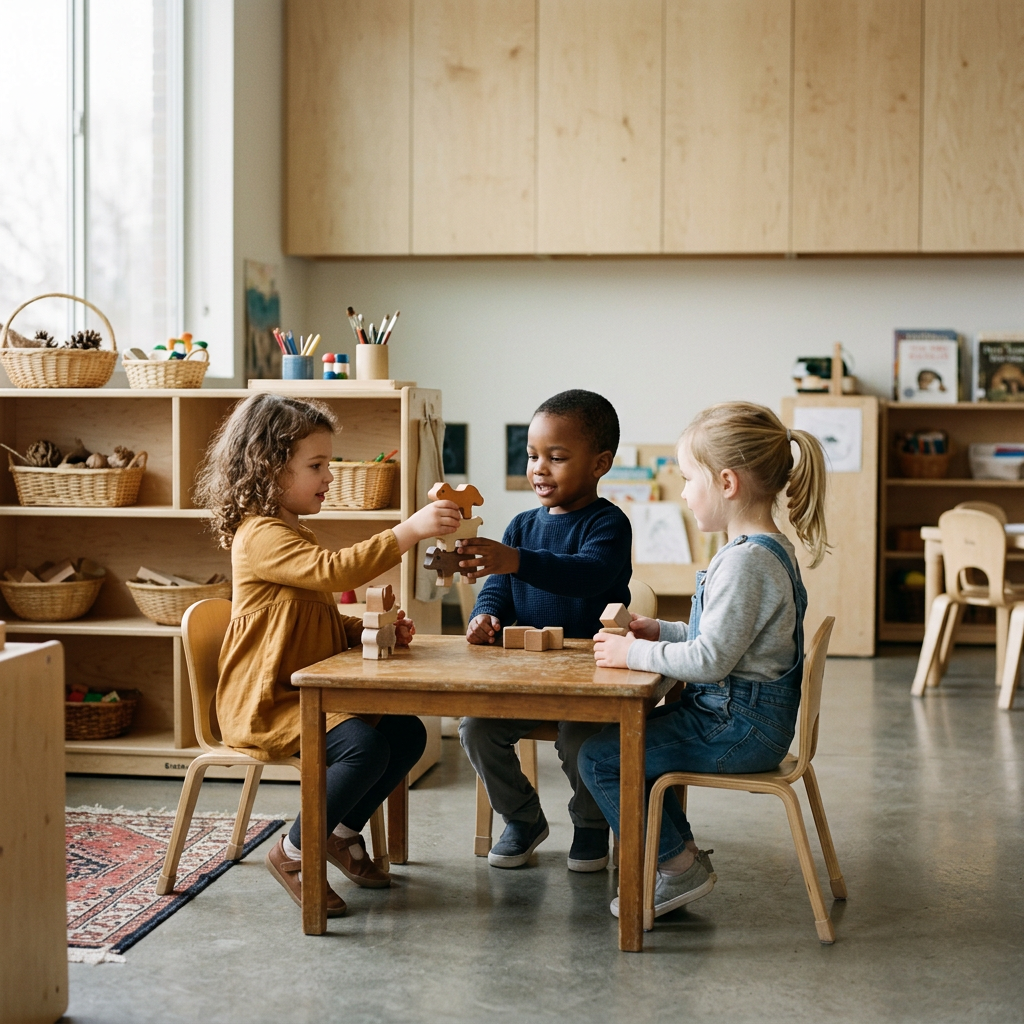
Play is an important part of childhood development and can help children develop skills needed for classroom participation.
Children may need to learn how to:
Take turns
Share materials
Follow simple game rules
Wait
Join a group
Ask for help
Communicate with peers
Handle changes in play
Occupational therapists may use play-based activities to support these skills while working toward individualized goals.
11. Following Routines and Transitions
School days involve many transitions.
A child may move from:
Arrival → Circle time → Centers → Snack → Recess → Lunch → Rest → Dismissal
Being able to anticipate and participate in these changes can make the school day easier.
Visual schedules, verbal warnings, countdowns, and consistent routines may help some children prepare for transitions.
Parents can practice transitions at home by giving children advance notice before changing activities.
For example:
"Five more minutes of play, then we'll clean up and get ready for dinner."
12. Communication and Self-Advocacy
Children need to be able to communicate their basic needs at school.
Depending on the child's developmental level, this may include communicating:
"I need help."
"I need a break."
"I don't understand."
"I need to use the bathroom."
"I'm finished."
"That hurts."
"I don't like that."
The way children communicate will vary, and communication doesn't have to be verbal.
Helping children learn how to communicate their needs can support independence and participation in the classroom.
School Readiness Isn't About Being Perfect
It's important to remember that school readiness is not a checklist that every child must master before entering school.
Children develop skills at different rates, and there can be a wide range of developmentally appropriate abilities.
The goal is not to expect a young child to be completely independent or perfectly regulated.
Instead, school readiness is about having foundational skills and continuing to develop the abilities needed to participate in the school environment.
How Parents Can Support School Readiness at Home
You don't need to recreate a classroom at home.
Everyday activities can provide excellent opportunities to build school-readiness skills.
Try activities such as:
During play:
Build with blocks
Complete puzzles
Play simple board games
Draw and color
Use play dough
Practice taking turns
During daily routines:
Encourage your child to dress themselves
Have them help pack their backpack
Practice opening lunch containers
Encourage independent handwashing
Let them help clean up
During household activities:
Help prepare simple meals
Sort laundry
Put toys away
Open and close containers
Help set the table
The most effective practice often happens naturally during activities your child already enjoys.
When Might an OT Evaluation Be Helpful?
If you're concerned about your child's ability to participate in age-appropriate school activities, an occupational therapy evaluation may help provide more information.
You may want to consider discussing your concerns with your child's healthcare provider or an occupational therapist if your child consistently has difficulty with:
Fine motor activities
Handwriting or pre-writing skills
Using scissors
Dressing or self-care
Sensory experiences
Following routines
Transitions
Attention and participation
Emotional regulation
Coordination
Playing with peers
An OT evaluation can help identify your child's strengths, areas of difficulty, and strategies that may support participation.
Working Together to Support School Success
Parents, teachers, and occupational therapists can all play an important role in helping children develop school-readiness skills.
When adults work together, they can create consistent strategies across home, school, and therapy environments.
Most importantly, remember that every child is different.
School readiness isn't about whether a child can do everything independently on the first day. It's about helping children build the skills, confidence, and strategies they need to learn, play, connect with others, and participate in their school community.
With the right support and opportunities to practice, children can continue building these important skills throughout their early school years.