
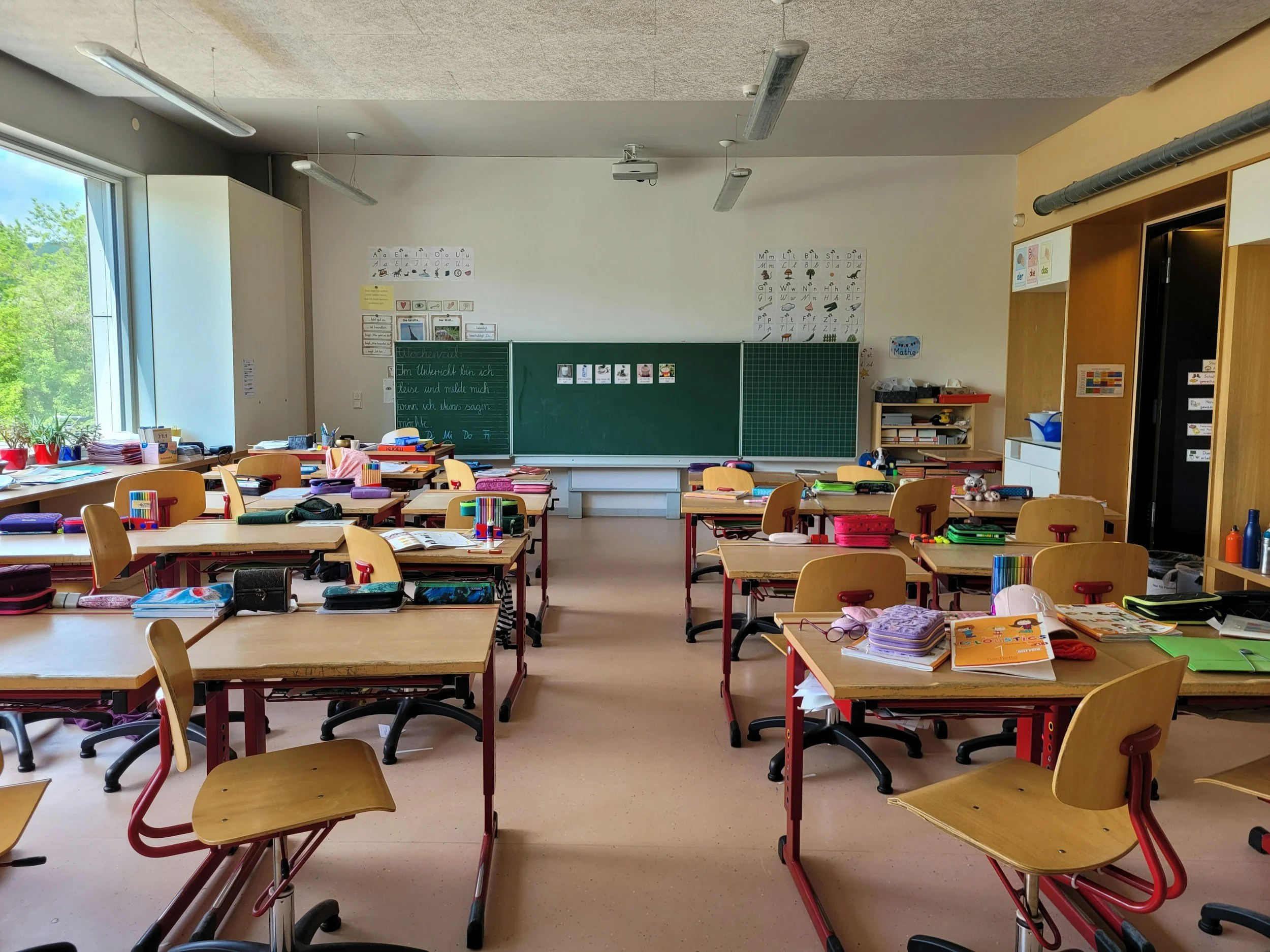
The start of a new school year can be exciting, but it can also bring changes in routines, expectations, environments, and sensory experiences. For some children, transitioning from summer to school can feel overwhelming.
Occupational therapy can help children develop the skills they need to participate more successfully in school, from managing classroom routines and handwriting to staying organized, regulating emotions, and completing self-care tasks.
Whether you're a parent, teacher, or caregiver, there are simple strategies you can use to help make the transition back to school smoother.
1. Start Adjusting the Routine Before School Begins
Summer schedules can be more relaxed, which can make the transition back to school routines challenging.
A few weeks before school starts, gradually begin returning to a consistent schedule.
Try practicing:
Consistent wake-up and bedtime routines
Getting dressed in the morning
Eating breakfast at a regular time
Packing a backpack
Following a morning routine
Completing simple responsibilities before screen time or play
A predictable routine can help children know what to expect and reduce the stress that comes with sudden changes.
2. Practice the Morning Routine
Mornings can become hectic when children are expected to complete several tasks independently.
Before the first day, practice the sequence of the morning routine.
For example:
Wake up → Get dressed → Eat breakfast → Brush teeth → Put on shoes → Grab backpack → Leave for school
A visual checklist or picture schedule can be especially helpful for children who have difficulty remembering multiple steps.
As children become more comfortable with the routine, encourage them to take ownership of each step.
3. Encourage Independence With Self-Care
School requires children to manage many everyday activities independently.
Depending on their age, children may need to:
Open lunch containers
Manage zippers and buttons
Put on or remove a jacket
Use the bathroom independently
Open a backpack
Organize school supplies
Put on and remove shoes
Clean up after activities
If a child struggles with one of these skills, practice at home before school begins.
Give your child time to try the task independently before stepping in to help.
4. Make the Backpack Manageable
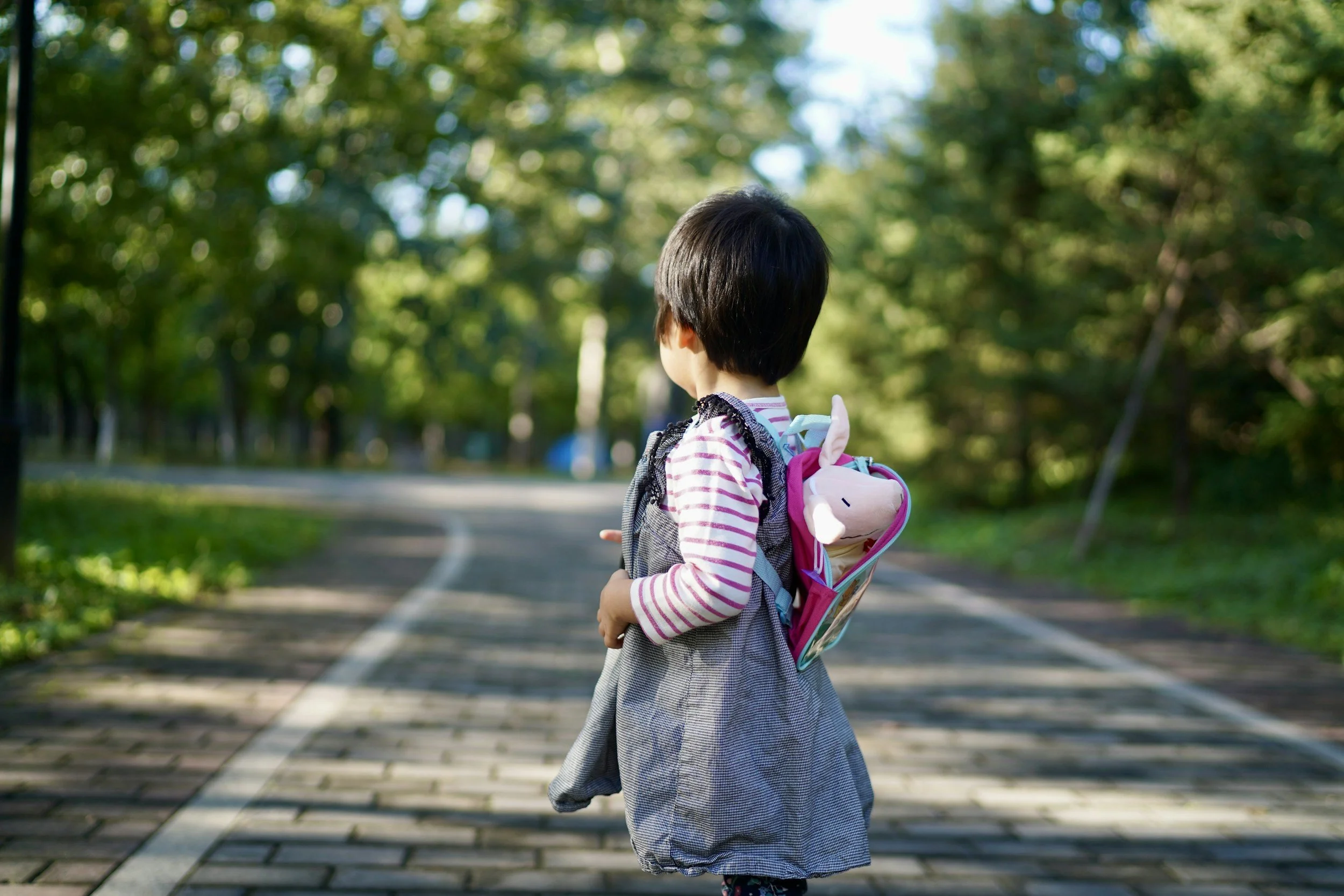
A backpack can quickly become overloaded with school supplies, lunch, books, and personal items.
Help your child develop a routine for organizing their backpack.
Consider:
Removing unnecessary items regularly
Using folders to organize papers
Keeping supplies in designated areas
Checking the backpack together
Encouraging your child to carry only what they need
A backpack should also fit appropriately and be worn correctly.
If you're concerned about the weight or fit of your child's backpack, talk with your child's healthcare or therapy provider for individualized recommendations.
5. Support Fine Motor Skills
Fine motor skills are important for many classroom activities.
Children use fine motor skills when they:
Write
Color
Cut with scissors
Manipulate small objects
Open containers
Fasten clothing
Use classroom tools
You don't need complicated exercises to practice these skills.
Try incorporating fun activities such as:
Drawing
Coloring
Playing with play dough
Building with blocks
Completing puzzles
Using tweezers to pick up small objects
Stringing beads
Playing with construction toys
Helping with simple food preparation
The goal is to make practice engaging rather than turning every activity into "work."
6. Support Handwriting Without Making It a Battle
Handwriting can be challenging for some children.
If your child becomes frustrated with writing, consider looking at the bigger picture.
Difficulty with handwriting can involve factors such as:
Fine motor coordination
Hand strength
Pencil grasp
Visual-motor skills
Motor planning
Posture
Attention
Writing mechanics
Encourage short periods of practice rather than expecting a child to complete a large amount of handwriting at once.
If handwriting continues to interfere with school participation, an occupational therapy evaluation may help identify potential contributing factors and strategies for support.
7. Prepare for Sensory Experiences
School can be a busy sensory environment.
Children may encounter:
Loud voices
Bells
Crowded hallways
Bright lights
Different smells
Unfamiliar textures
Frequent transitions
Lots of movement
Some children may become overwhelmed by these experiences.
Parents and teachers can help by identifying potential triggers and planning strategies ahead of time.
Depending on the child, helpful strategies might include:
Access to a quiet space
Movement breaks
Predictable routines
Visual schedules
Opportunities for calming activities
Advance notice before transitions
Access to appropriate sensory tools
Strategies should be individualized to the child's needs rather than assuming the same approach will work for every child.
8. Use Visual Supports
Visual schedules and reminders can be particularly helpful for children who have difficulty following verbal instructions or remembering multiple steps.
A visual schedule might show:
Arrival
Morning work
Reading
Snack
Recess
Lunch
Math
Pack up
Go home
Visual supports can help children understand what is happening now, what comes next, and when a preferred activity may occur.
They can also provide a greater sense of predictability.
9. Give Directions One Step at a Time When Needed
Some children have difficulty processing long or multi-step instructions.
Instead of saying:
"Put your folder away, take out your math book, get your pencil, and turn to page 20."
You might break the directions into smaller steps:
"First, put your folder away."
Then provide the next instruction once the first step is complete.
This can reduce cognitive demands and help children experience success.
As the child becomes more comfortable, you can gradually increase the number of steps they are expected to manage independently.
10. Build Movement Into the School Day
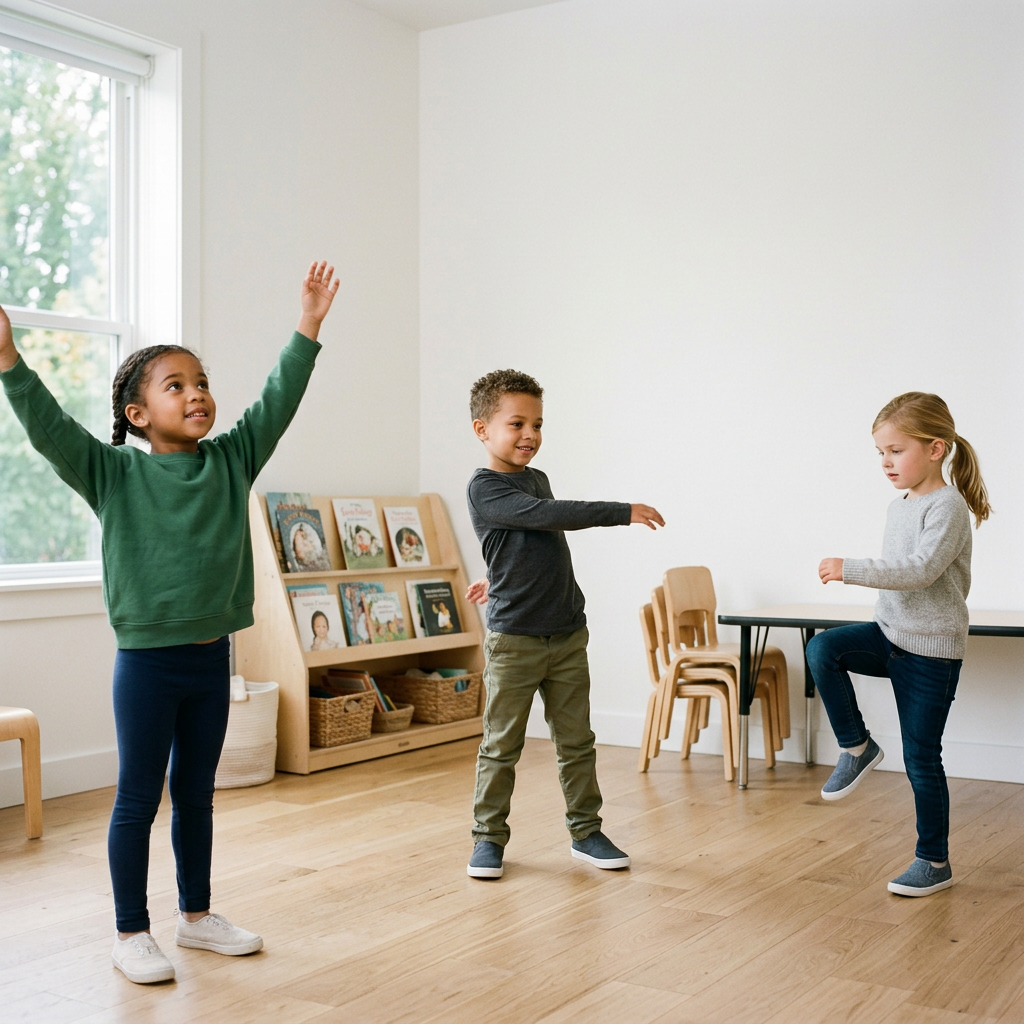
Children aren't designed to sit completely still for hours at a time.
Movement can support participation and help some children manage attention and energy levels.
Teachers can consider incorporating short movement opportunities such as:
Stretching
Classroom movement activities
Walking to deliver a message
Standing while completing certain tasks
Short movement breaks
Outdoor play
The appropriate strategy will depend on the child's needs and classroom environment.
11. Prepare for Transitions
Transitions can be particularly challenging for some children.
Moving from one activity to another can be easier when children know what to expect.
Try:
Giving advance warnings
Using visual timers
Providing a countdown
Using consistent transition routines
Showing what activity comes next
Allowing extra transition time when appropriate
For example:
"You have five more minutes to play. Then we'll clean up and get ready for lunch."
A predictable transition can be easier to manage than an unexpected change.
12. Focus on Skills, Not Just Behavior
When a child struggles in the classroom, it can be tempting to focus only on the behavior we see.
For example, a child who refuses to participate may be experiencing:
Sensory overload
Difficulty understanding instructions
Frustration with a challenging task
Fatigue
Difficulty with motor skills
Anxiety about a transition
Difficulty communicating their needs
Instead of asking only, "How do we stop the behavior?", consider asking:
"What is the child trying to communicate?"
Understanding the reason behind a challenge can help adults identify more effective supports.
13. Communicate Between Home and School
Parents and teachers each see different sides of a child's day.
Communication can help everyone understand what strategies are working and where challenges continue to occur.
Share information about:
Successful strategies
Difficult times of day
Sensory preferences
Routines
New skills
Areas of frustration
Changes in behavior or participation
If a child receives occupational therapy, collaboration between the therapist, family, and school team can also help carry strategies across environments when appropriate.
14. Celebrate Progress
Back-to-school success isn't just about grades or completing every task independently.
Celebrate smaller accomplishments, such as:
Getting ready independently
Opening a lunch container
Trying a new activity
Completing part of a difficult task
Using a calming strategy
Asking for help appropriately
Transitioning with fewer reminders
Participating in classroom activities
Recognizing progress can help children build confidence and motivation.
When Might a Child Benefit From Occupational Therapy?
If a child consistently struggles with activities that affect school participation, an occupational therapy evaluation may be helpful.
Potential signs include difficulty with:
Handwriting
Fine motor tasks
Cutting
Dressing
Feeding
Managing school supplies
Sensory processing
Transitions
Emotional regulation
Attention and participation
Motor planning
Completing classroom routines
An OT can evaluate the child's skills and help identify individualized strategies to support participation and independence.
Making the School Year a Little Smoother
Every child enters the school year with different strengths, needs, and experiences.
The goal isn't to make every child behave, learn, or participate in exactly the same way. It's about providing the right support so each child has an opportunity to participate and succeed.
Parents, teachers, and occupational therapists can work together to create routines, environments, and strategies that help children feel more confident and capable.
A successful school year isn't about perfection. It's about helping children develop the skills and confidence they need to learn, participate, and grow.