
How to Make Your Home More Accessible

Home should be a place where you feel safe, comfortable, and independent. But changes in mobility, strength, balance, coordination, vision, or other abilities can sometimes make everyday activities at home more challenging.
The good news is that making a home more accessible doesn't always require a major renovation. Small changes to the way a space is organized or the tools you use can make everyday activities safer and easier.
Occupational therapists can help individuals and families identify barriers in the home and develop practical solutions that support independence.
Here are some areas to consider when making your home more accessible.
What Does an Accessible Home Mean?
An accessible home is designed or modified so that a person can safely and comfortably participate in everyday activities.
Accessibility can look different for everyone.
For one person, it may mean adding grab bars in the bathroom. For another, it could mean rearranging kitchen items so they're easier to reach or creating more space for a mobility device.
The goal is to create an environment that supports safety, independence, and participation.
1. Start With the Entryway
The entrance to your home is one of the first areas to consider.
If someone has difficulty walking, uses a wheelchair or walker, or has balance concerns, steps or uneven surfaces can make entering and leaving the home difficult.
Depending on the home and individual needs, potential modifications may include:
Improving outdoor lighting
Keeping walkways clear
Adding handrails where appropriate
Reducing trip hazards
Considering ramps or threshold modifications when needed
Making sure doors can be opened and closed safely
Even something as simple as keeping the entrance free of clutter can make a difference.
2. Reduce Tripping Hazards
Walk through your home and look for anything that could cause someone to trip or lose their balance.
Common hazards include:
Loose rugs
Cluttered walkways
Electrical cords
Small objects on the floor
Uneven flooring
Furniture that makes pathways difficult to navigate
Consider removing unnecessary obstacles and creating clear paths through frequently used areas.
If you use rugs, make sure they are secure and appropriate for the individual's mobility needs.
3. Improve Lighting
Good lighting is especially important in areas where people walk, transfer, or complete tasks.
Consider adding or improving lighting in:
Hallways
Stairways
Entrances
Bathrooms
Bedrooms
Kitchens
Other frequently used areas
Nightlights can also be helpful for people who get up during the night.
Motion-activated lighting may provide additional convenience by automatically illuminating an area when someone enters.
4. Make the Bathroom Safer
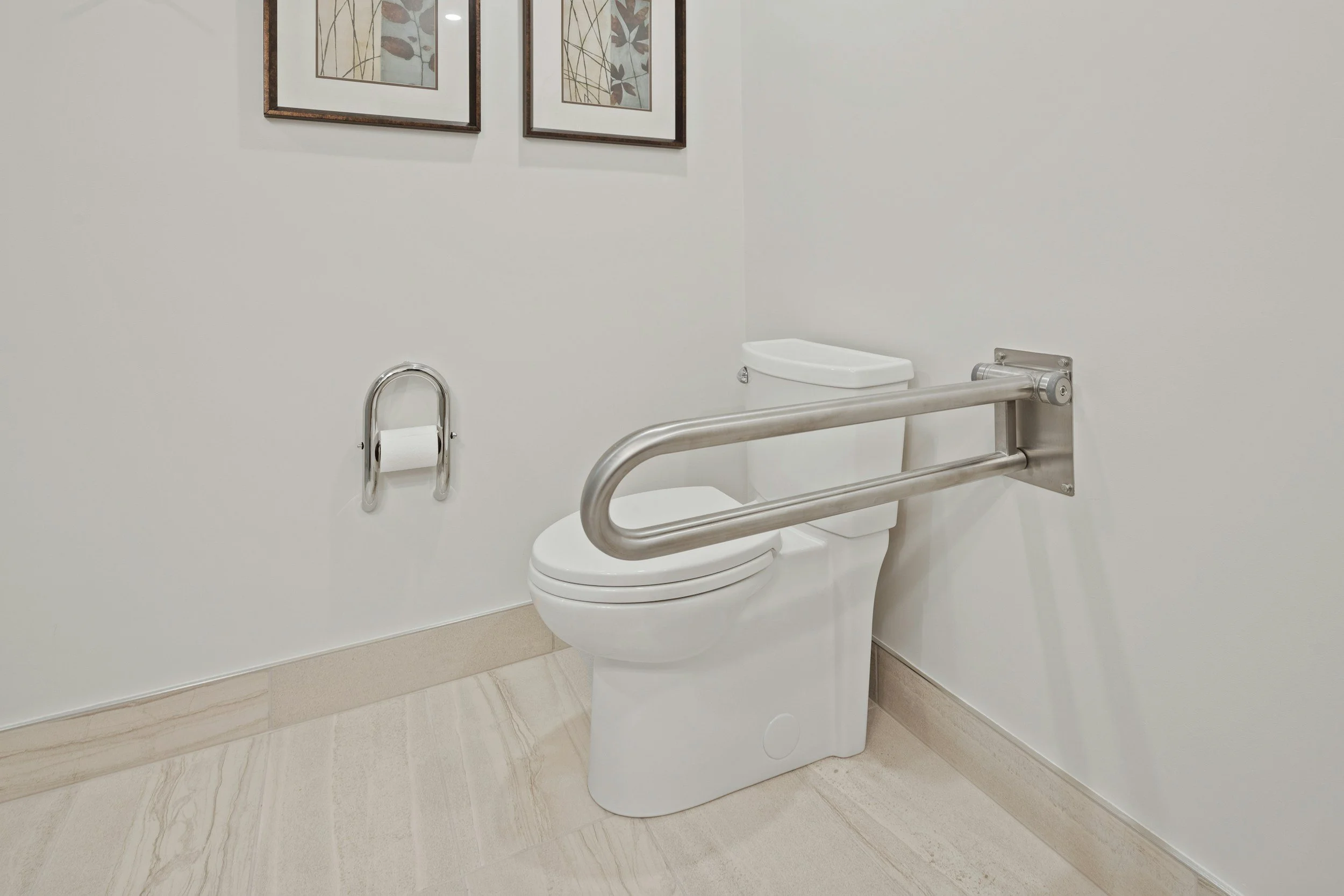
The bathroom is one of the most important areas to consider when thinking about home accessibility.
Depending on individual needs, potential safety modifications may include:
Grab bars
Shower chairs or benches
Handheld showerheads
Non-slip surfaces
Raised toilet seats
Toilet safety equipment
Improved lighting
Easy-to-reach toiletries
It's important to remember that not every piece of bathroom equipment is appropriate for every person or bathroom.
An occupational therapist can evaluate the individual's needs and recommend appropriate equipment or modifications.
5. Create a More Accessible Kitchen
The kitchen can present challenges for people with limited mobility, reduced strength, or difficulty reaching and handling objects.
Consider organizing the kitchen so frequently used items are easy to access.
For example:
Keep everyday dishes within comfortable reach
Store heavy items where they are easier to access
Avoid placing frequently used objects in difficult-to-reach locations
Keep pathways clear
Consider easy-grip kitchen tools when appropriate
Use a stable work surface for food preparation
If standing for long periods is difficult, a safe seating option may allow someone to complete certain kitchen tasks while sitting.
6. Make the Bedroom Easier to Navigate
The bedroom should provide a safe and accessible environment, particularly for people who get up during the night.
Consider:
Keeping pathways clear
Adding a nightlight
Keeping important items within easy reach
Making sure clothing is easy to access
Positioning furniture to allow safe movement
Keeping a phone or emergency alert device accessible if appropriate
If getting in or out of bed is difficult, an occupational therapist can help assess the situation and determine whether equipment or environmental changes may be beneficial.
7. Think About Stairs and Hallways
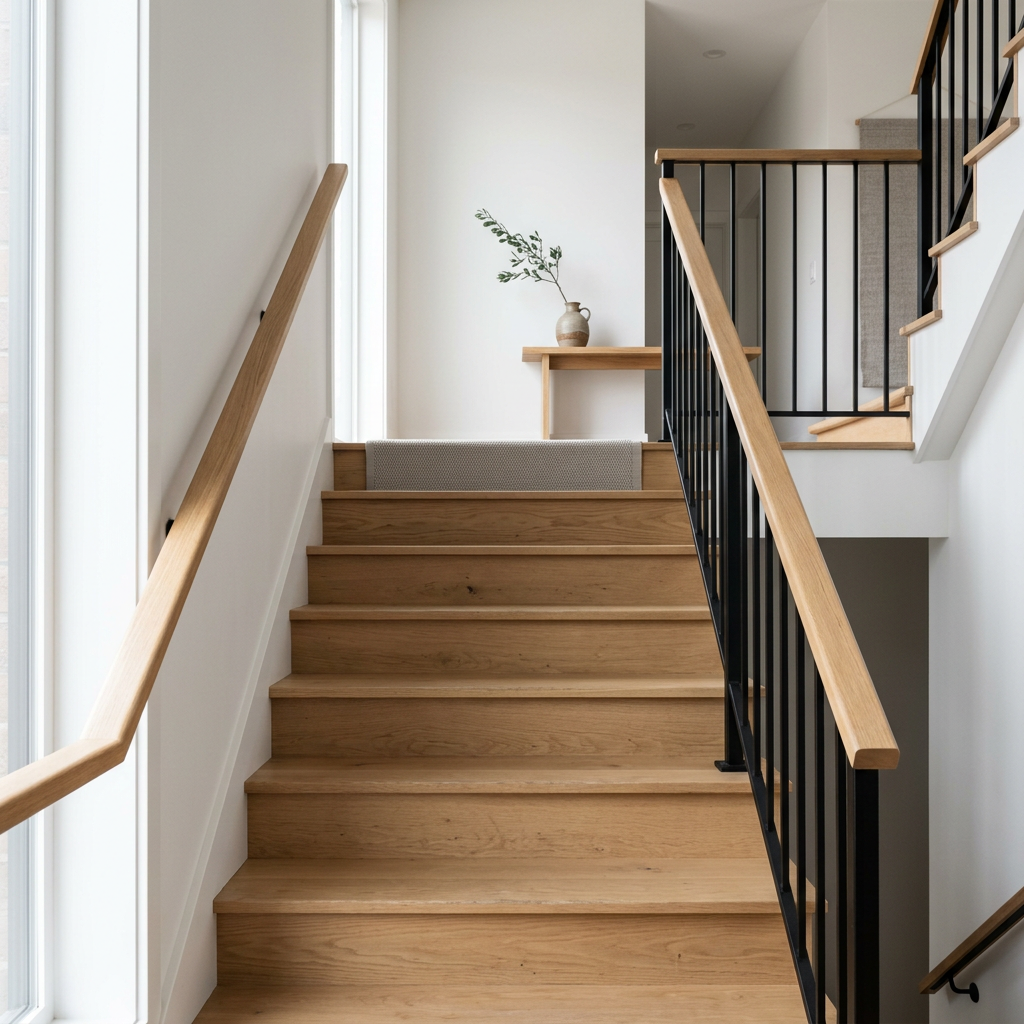
Stairs can be challenging for people with balance, strength, or mobility limitations.
Potential safety strategies include:
Installing appropriate handrails
Improving lighting
Keeping stairs free of clutter
Marking changes in flooring or steps when appropriate
Using contrasting colors to improve visibility when helpful
If stairs are becoming increasingly difficult or unsafe, an occupational therapist can help explore strategies and alternatives based on the individual's needs.
8. Make Everyday Items Easier to Reach
Consider how often you bend, stretch, climb, or reach overhead to access things you use every day.
Frequently used items should ideally be stored in locations that are easy and safe to access.
For example, you might keep:
Dishes at an accessible height
Frequently used clothing in easy-to-reach drawers
Personal care items within comfortable reach
Kitchen supplies near the areas where they're used
This can reduce unnecessary reaching, bending, and walking throughout the day.
9. Consider Furniture Placement
Furniture arrangement can have a significant impact on accessibility.
Ask yourself:
Can someone move easily from one room to another?
Are pathways wide enough for the person's mobility needs?
Is there enough space to safely sit down and stand up?
Are frequently used areas easy to access?
Sometimes simply rearranging furniture can create a safer and more functional space.
10. Consider Adaptive Equipment
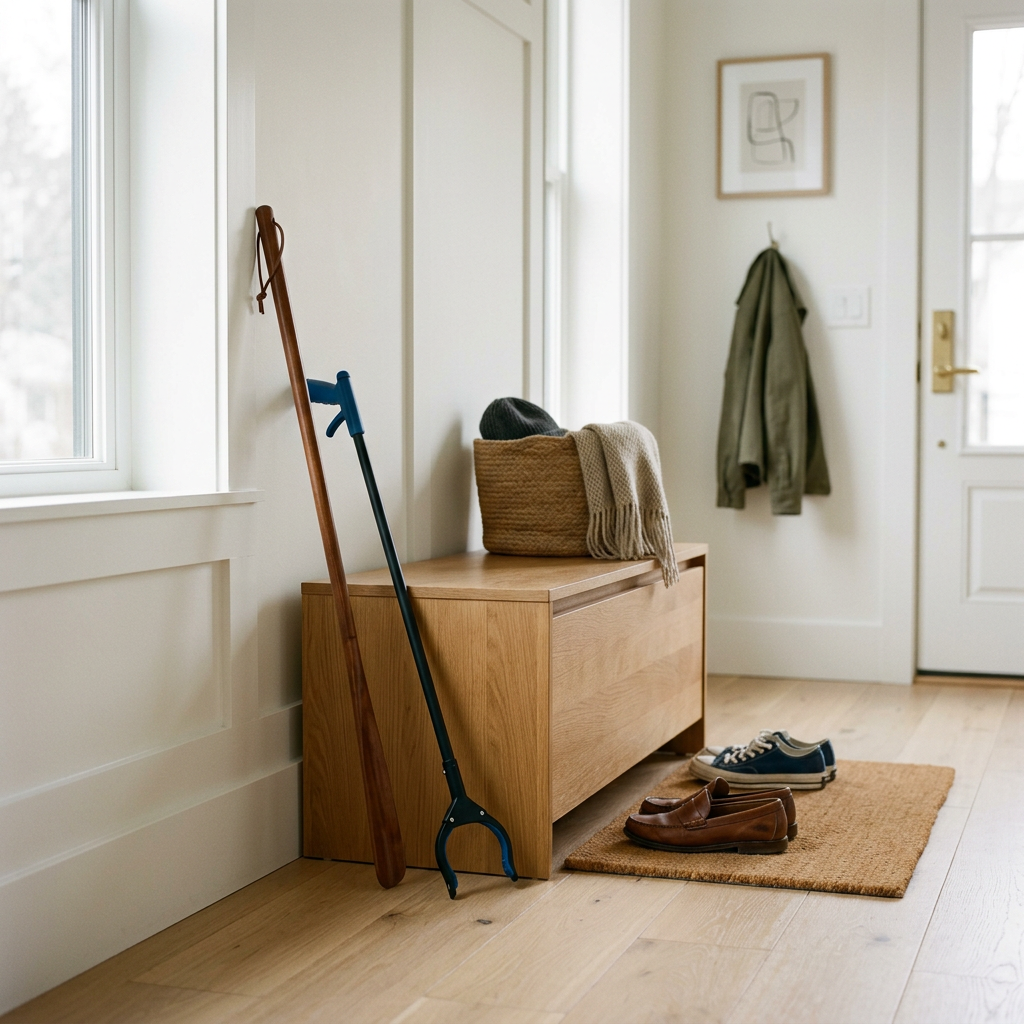
Adaptive equipment can help make everyday activities easier when a person has difficulty with movement, strength, balance, or coordination.
Depending on individual needs, an occupational therapist may recommend equipment such as:
Reachers
Dressing aids
Shower chairs
Grab bars
Specialized utensils
Mobility-related equipment
Long-handled tools
Transfer equipment
The right equipment depends on the person, the task, and the environment.
It's important to use equipment correctly and ensure it is appropriate for the individual's abilities and home setup.
Accessibility Isn't Just About Safety
Safety is an important part of home accessibility, but accessibility is also about independence and quality of life.
A well-designed home can make it easier for someone to:
Prepare meals
Complete personal care
Get dressed
Move between rooms
Participate in hobbies
Spend time with family
Complete household responsibilities
Remain independent
Small environmental changes can sometimes make a significant difference in someone's ability to participate in everyday life.
How Occupational Therapy Can Help
An occupational therapist can help you look at your home from a functional perspective.
Rather than simply identifying potential hazards, an OT considers the connection between:
The person + the environment + the activity.
For example, if someone is having difficulty preparing meals, the solution may not simply be to strengthen their arms. It could involve changing the kitchen setup, modifying the task, using adaptive equipment, or finding a more energy-efficient way to complete the activity.
An occupational therapist can help identify practical solutions based on the individual's abilities, routines, and goals.
When Should You Consider a Home Assessment?
A home accessibility assessment may be helpful if you or a loved one:
Has experienced a fall
Has difficulty walking around the home
Uses a walker, wheelchair, or other mobility device
Has difficulty getting in or out of the shower
Struggles with stairs
Has difficulty completing daily activities independently
Is recovering from an injury, surgery, or illness
Wants to remain independent at home as they age
Is experiencing changes in strength, balance, or mobility
An OT can help identify potential barriers and recommend individualized strategies.
Start Small
Making your home more accessible doesn't necessarily mean remodeling the entire house.
Start by looking at the activities that are currently the most difficult.
Ask:
What task is becoming harder?
What part of the environment is making it difficult?
Could the space be reorganized?
Could the task be modified?
Would adaptive equipment help?
Sometimes a small change—moving an item, improving lighting, clearing a pathway, or adding appropriate equipment—can make an everyday activity significantly easier.
The Bottom Line
An accessible home is one that supports the people living in it.
Whether you're adapting your home after an injury, supporting a loved one with changing abilities, or planning for aging in place, thoughtful modifications can promote greater safety, independence, and confidence.
Occupational therapists can help identify practical changes that fit your needs, your home, and your daily routines.
The goal isn't to change your entire home. It's to create an environment that helps you live your life as independently and comfortably as possible.