
Common Myths About Occupational Therapy

When people hear the term occupational therapy, they sometimes aren't sure what it means or what an occupational therapist actually does. Some assume OT is only for people recovering from major injuries, while others think occupational therapy is primarily about getting back to work.
In reality, occupational therapy can support people of all ages and abilities with a wide range of everyday activities.
Let's clear up some of the most common myths about occupational therapy.
Myth #1: Occupational Therapy Is Only About Jobs and Careers
This is one of the most common misunderstandings about OT.
The word "occupation" in occupational therapy refers to the meaningful activities that make up our daily lives—not just employment.
For children, occupations may include:
Playing
Learning
Getting dressed
Eating
Participating at school
Completing homework
Interacting with others
For adults, occupations can include:
Personal care
Household responsibilities
Working
Parenting
Cooking
Managing a home
Participating in hobbies
Social activities
Occupational therapists help people participate in the activities they need and want to do.
Myth #2: Occupational Therapy Is Only for Adults
Occupational therapy can be incredibly valuable for children, too.
Pediatric occupational therapy may help children develop skills needed for school, play, self-care, and everyday routines.
An OT may work with a child on:
Fine motor skills
Handwriting
Cutting with scissors
Dressing
Feeding
Sensory processing
Visual-motor skills
Emotional regulation
Motor planning
Attention and participation
Pediatric OT is individualized to each child's developmental needs and goals.

Myth #3: OT Is Just Playing With Kids
Parents may see a pediatric OT using games, toys, crafts, or other fun activities during a session and wonder how that relates to therapy.
Play is actually an important occupation for children and can also be an effective way to practice developmental skills.
An occupational therapist may use play to work on:
Fine motor coordination
Bilateral coordination
Visual-motor skills
Sensory processing
Social participation
Problem-solving
The activity may look like play, but the therapist is intentionally selecting activities to address specific skills and functional goals.
Myth #4: You Have to Have a Major Injury or Disability to Benefit From OT
Occupational therapy isn't limited to major medical events.
People may seek OT for a variety of challenges that interfere with everyday life, including:
Hand injuries
Difficulty with fine motor skills
Developmental delays
Sensory challenges
Difficulty completing self-care activities
Recovery after surgery or illness
Changes in strength or coordination
Difficulty returning to work or hobbies
Age-related changes
If a challenge is making it difficult to participate in meaningful daily activities, occupational therapy may be worth exploring.
Myth #5: Occupational Therapy Is the Same as Physical Therapy
OT and PT have some overlap, but they aren't the same profession.
Physical therapy generally focuses on movement, mobility, strength, balance, and physical function.
Occupational therapy focuses on helping people participate in everyday activities and occupations.
For example, after an injury, a physical therapist might focus on improving strength and mobility, while an occupational therapist may focus on helping the person safely return to dressing, cooking, work, or other daily activities.
Some people benefit from both OT and PT.

Myth #6: Occupational Therapy Is Only About Exercise
Exercise can be part of occupational therapy, but it is only one tool.
Depending on the person's needs, OT may also involve:
Practicing everyday activities
Developing fine motor skills
Modifying tasks
Adapting the environment
Learning new strategies
Using adaptive equipment
Addressing sensory needs
Improving coordination
Building independence
The focus is on helping the person participate in meaningful activities—not simply completing exercises.
Myth #7: If My Child Is Struggling, They'll Eventually Grow Out of It
Children develop at different rates, and occasional challenges are a normal part of development.
However, persistent difficulties that interfere with school, play, self-care, or family routines may deserve additional attention.
For example, a child who consistently struggles with:
Using utensils
Getting dressed
Handwriting
Using scissors
Managing clothing textures
Participating in age-appropriate play
Following everyday routines
may benefit from an evaluation to better understand what is contributing to those challenges.
An evaluation doesn't necessarily mean a child will need long-term therapy. It can provide useful information about strengths, areas of difficulty, and potential strategies for support.
Myth #8: OT Is Only for Improving Physical Skills
Occupational therapists consider much more than physical abilities.
Depending on the individual, OT may address areas such as:
Sensory processing
Attention
Organization
Emotional regulation
Cognitive skills
Visual perception
Motor planning
Self-care
Social participation
OT takes a holistic approach by considering how different skills interact and affect a person's ability to participate in everyday activities.
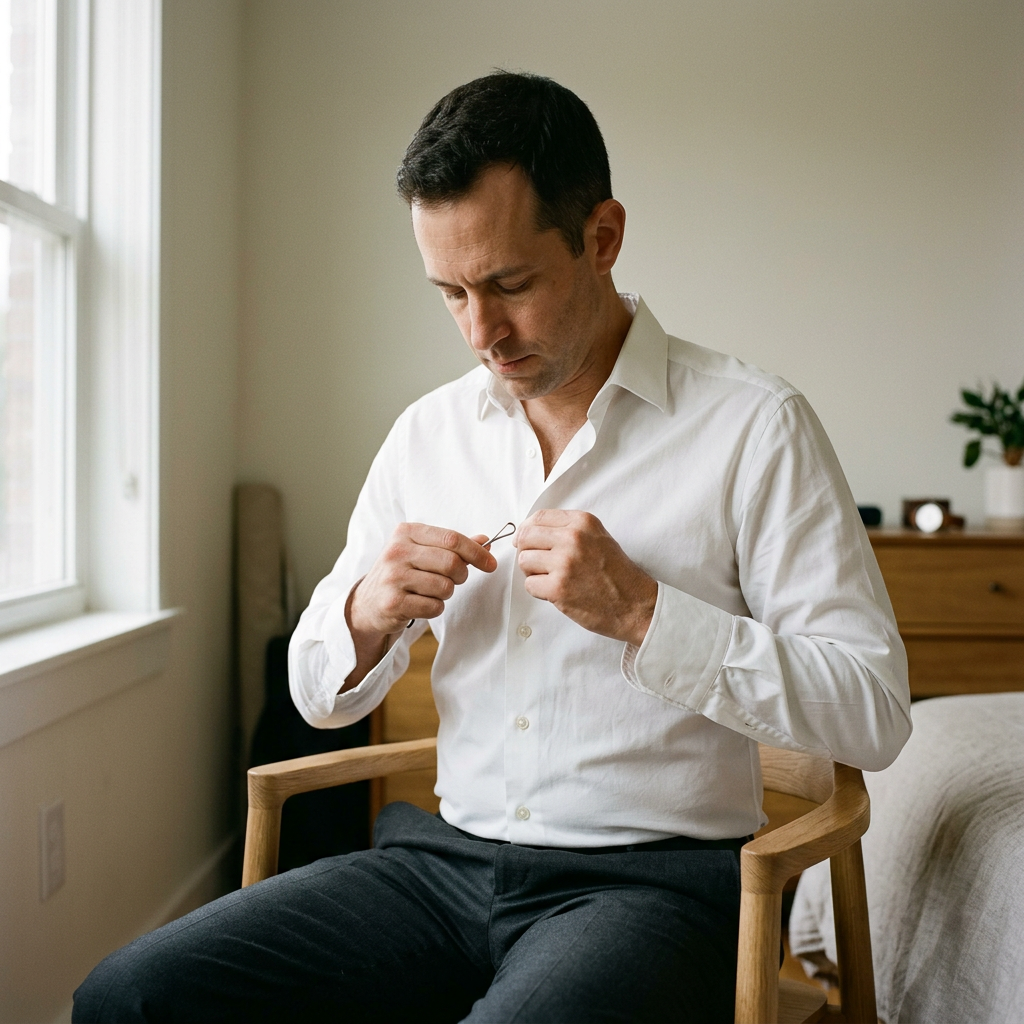
Myth #9: Adaptive Equipment Means You're Losing Your Independence
Some people are hesitant to use adaptive equipment because they worry it means they can no longer do things independently.
In reality, adaptive equipment can sometimes increase independence.
Tools such as dressing aids, specialized utensils, reachers, shower equipment, or other adaptive devices may allow someone to complete a task with less assistance.
The goal is to find practical ways for someone to participate as independently and safely as possible.
Myth #10: Occupational Therapy Has to Be Complicated
OT strategies don't always require complicated exercises or expensive equipment.
Sometimes a small change can make a meaningful difference.
An occupational therapist may recommend:
Changing the way a task is performed
Rearranging frequently used items
Breaking a task into smaller steps
Using a different tool
Changing the environment
Practicing a skill during an everyday routine
The best strategies are often the ones that can realistically be incorporated into a person's daily life.
What Occupational Therapy Is Really About
At its core, occupational therapy is about helping people participate in the activities that are important to them.
That might mean helping a child become more independent with dressing, supporting a student with handwriting and classroom participation, helping an adult return to work after an injury, or helping an older adult remain independent at home.
OT looks at the whole person and considers what may be getting in the way of everyday participation.
Could Occupational Therapy Help You or Your Child?
If you or your child is having difficulty with everyday activities, an occupational therapy evaluation can help provide a better understanding of strengths, challenges, and potential strategies for support.
You don't have to know exactly what type of therapy you need before reaching out. That's part of what an evaluation is designed to help determine.
Occupational therapy isn't just about treating a diagnosis. It's about helping people do the things that matter to them.