

As a parent, it’s easy to wonder: “Is this just a phase… or is my child struggling more than they should?”
You’re not alone in asking that question. Many families consider occupational therapy (OT) when something feels “off,” but it’s not always clear what actually counts as a concern.
This guide will walk you through common signs to look for by age, what’s typically part of development, and when it might be helpful to seek extra support.
What Does Occupational Therapy Help With?
Pediatric occupational therapy focuses on helping children participate in everyday activities, including:
Playing
Eating
Dressing
Writing
Fine motor skills (manipulating small items i.e. buttons, beads, coins)
Managing emotions and behavior
If any of these daily tasks feel consistently difficult for your child, OT can help build the skills and confidence they need.
Signs to Watch For (By Age)
Toddlers (1–3 years)
Some variability is completely normal at this age. You may want to take a closer look if your child:
Avoids certain textures (food, clothing, messy play)
Has frequent, intense meltdowns that are hard to calm
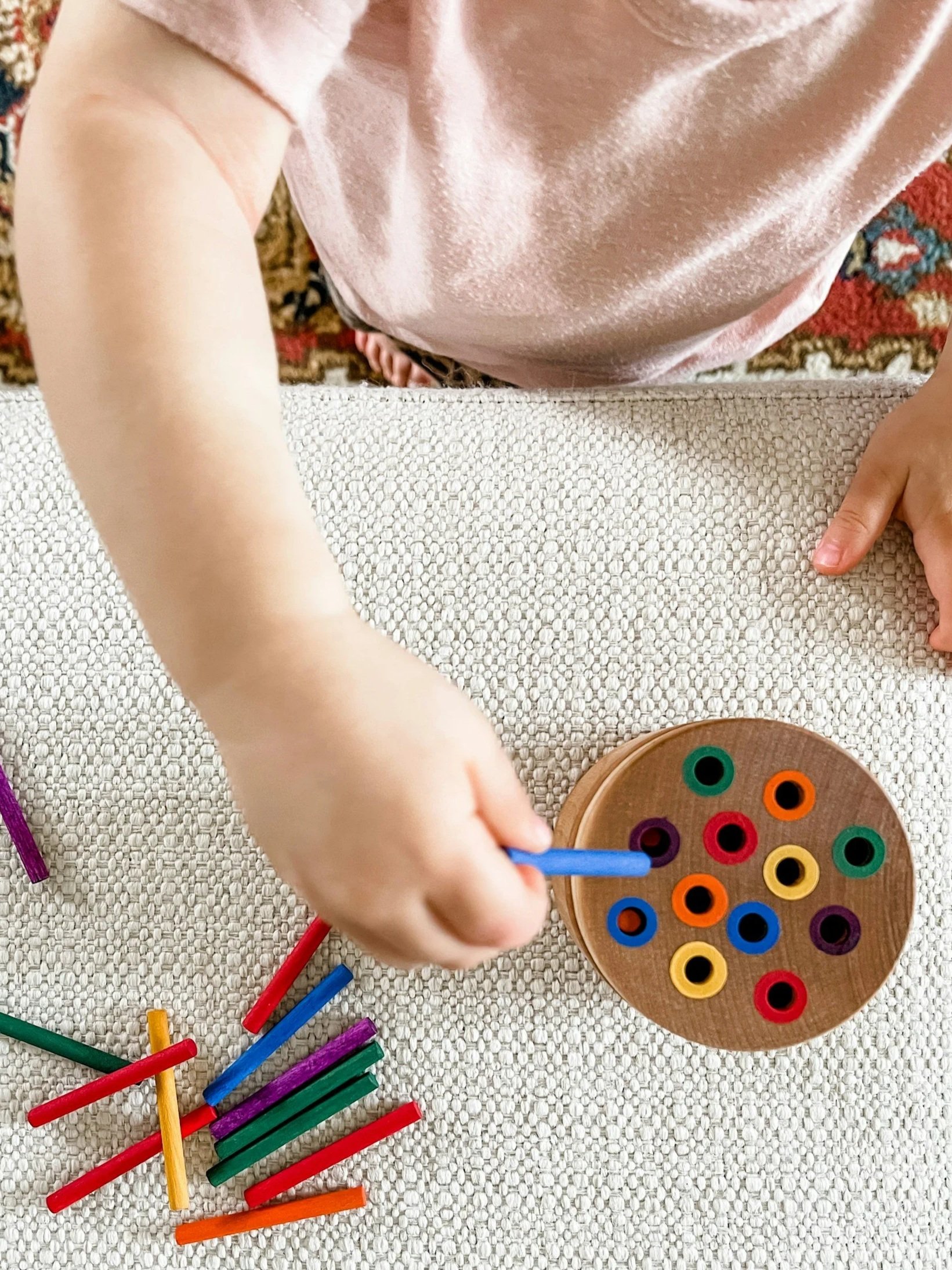
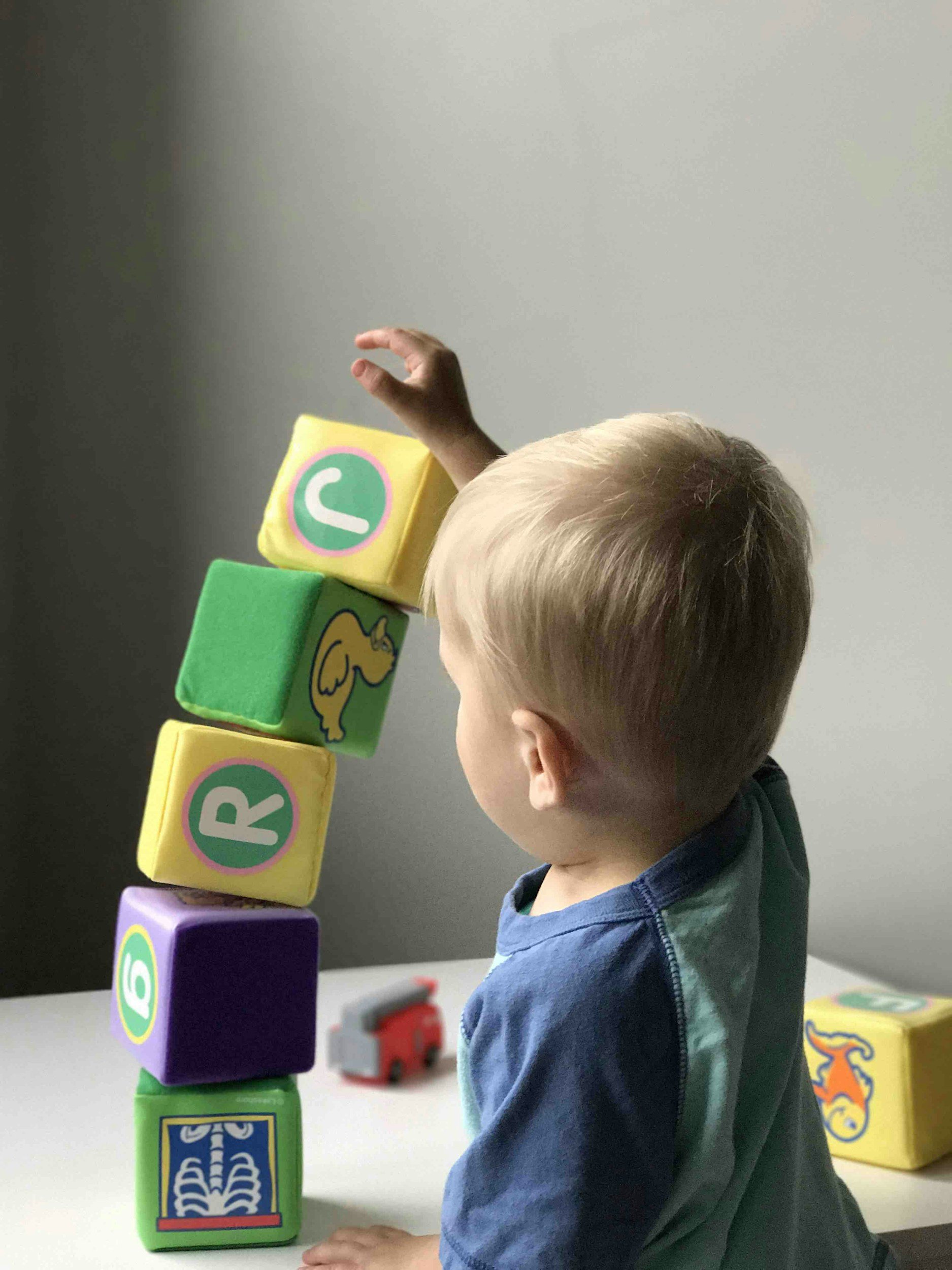
Struggles with using hands for play (stacking, grasping, pointing)
Is very sensitive to sound, touch, or movement
Has difficulty transitioning between activities
Trust your gut: If every day routines feel unusually stressful, it’s worth exploring further.
Preschoolers (3–5 years)
As independence grows, so do expectations. Signs that extra support may help include:
Trouble with dressing (zippers, buttons, putting clothes on correctly)
Difficulty using utensils or avoiding certain foods
Frequent frustration with fine motor tasks (coloring, puzzles, scissors)
Avoidance of playground equipment or physical play
Big reactions to small challenges
At this stage, challenges often show up during self-care and play.

School-Age Children (5+ years)
School introduces new demands that can highlight underlying difficulties. Watch for:
Messy, slow, or effortful handwriting
Trouble sitting still or staying regulated during tasks
Difficulty following multi-step directions
Avoidance of schoolwork or complaints that tasks are “too hard”
Ongoing struggles with organization (backpack, materials, routines)
These challenges can impact both learning and confidence.
What’s Typical vs. What’s a Concern?
All children develop at their own pace. Occasional struggles or preferences are part of growing up.
You might consider additional support if:
The difficulty is consistent (not just occasional)
It interferes with daily routines
Your child becomes frustrated, overwhelmed, or avoidant
It’s impacting your family’s day-to-day life

“Wait and See” vs. Taking Action
It’s common to hear “they’ll grow out of it” and sometimes that’s true.
But early support can:
Prevent small challenges from becoming bigger ones
Reduce frustration for both you and your child
Build skills during critical developmental windows
An evaluation doesn’t mean something is “wrong” it simply gives you clear answers and direction.
What Happens in an OT Evaluation?
If you decide to explore OT, the process is typically:
Play-based and child-led
Focused on your child’s strengths and challenges
Centered around your concerns as a parent
You’ll leave with a better understanding of your child’s needs and practical next steps.
Final Thoughts
If you’re wondering whether your child might benefit from occupational therapy, that curiosity is important.
You don’t need to have all the answers before reaching out. Sometimes, a simple conversation or evaluation can bring clarity and peace of mind.
Need Support?
If you’re in the Rochester area and have questions about your child’s development, we’re always happy to talk through your concerns and help you decide on next steps.
You can reach out here to schedule a free consultation phone call
This post is for informational purposes only and is not a substitute for individualized medical or therapeutic advice.