
How Occupational Therapy Can Help Children with ADHD

Attention deficit hyperactivity disorder (ADHD) is a common neurodevelopmental condition marked by ongoing patterns of inattention, hyperactivity, and impulsivity.
Occupational therapy helps people develop practical skills that improve participation in everyday life. Every treatment plan is individualized to meet each person’s strengths, challenges, and goals. Rather than focusing only on attention, occupational therapists look at the whole person, including:
Executive functioning
Self-regulation
Sensory processing
Fine motor skills
Visual motor integration
Organization
Daily living skills
Social participation
Everyday Tips to Help Children With ADHD Thrive
Create Predictable Daily Routines
Children with ADHD often thrive when they know what to expect. Establishing consistent routines for mornings, homework, meals, and bedtime reduces the amount of decision-making required throughout the day.
Helpful strategies include:
Following the same morning routine each day
Keeping bedtime and wake-up times consistent
Preparing backpacks and clothes the night before
Using visual schedules for younger children
Predictability helps reduce stress for both children and parents.
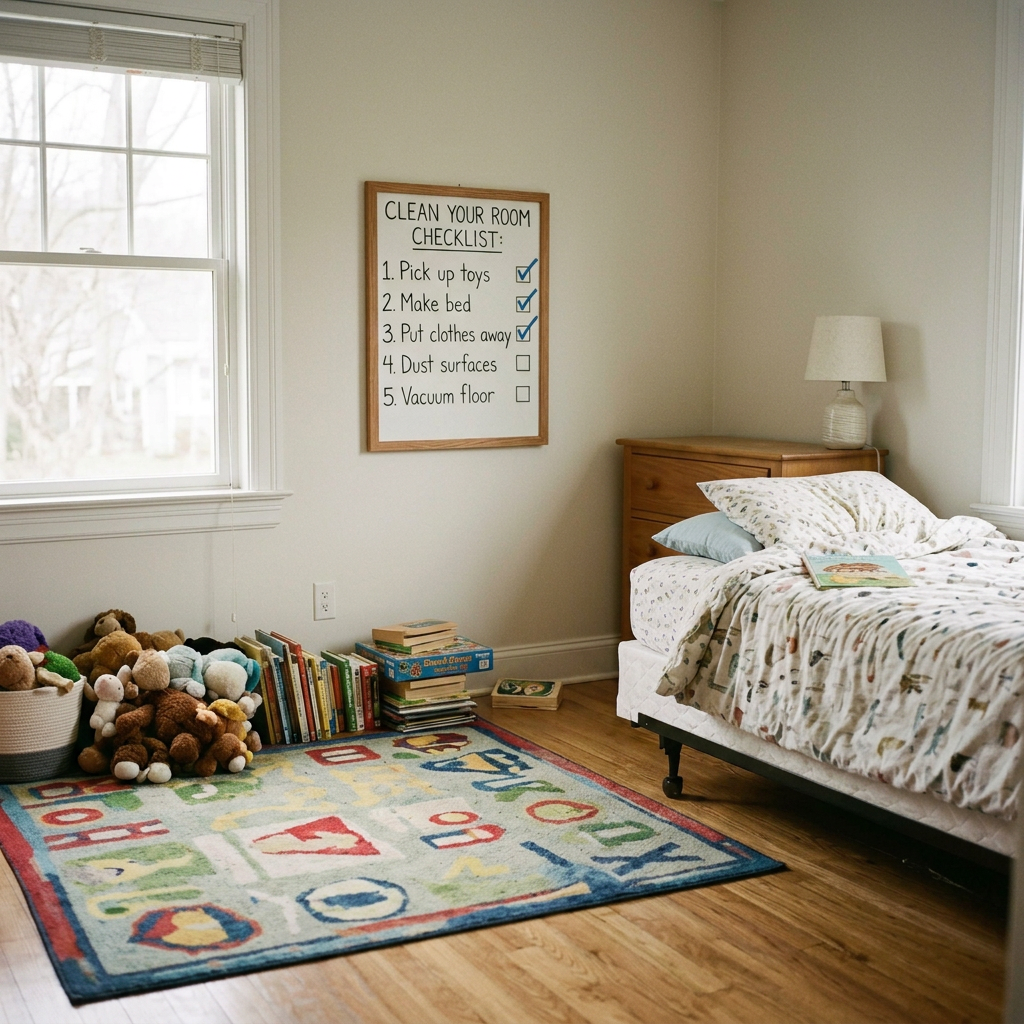
Break Big Tasks into Smaller Steps
Whatever it is, the way you tell your story online can make all the difference. Large assignments or chores can feel overwhelming.
Instead of saying:
"Clean your room."
Try breaking the task into smaller pieces:
Put dirty clothes in the hamper.
Put books on the shelf.
Pick up toys.
Make the bed.
Checking off one small step at a time builds confidence and keeps children moving forward.
Use Visual Supports
Many children with ADHD respond well to visual reminders because they reduce the need to remember multiple verbal instructions.
Consider using:
Picture schedules
Checklists
Color-coded folders
Homework planners
Visual timers
Sticky notes
Visual supports encourage greater independence while reducing frustration.
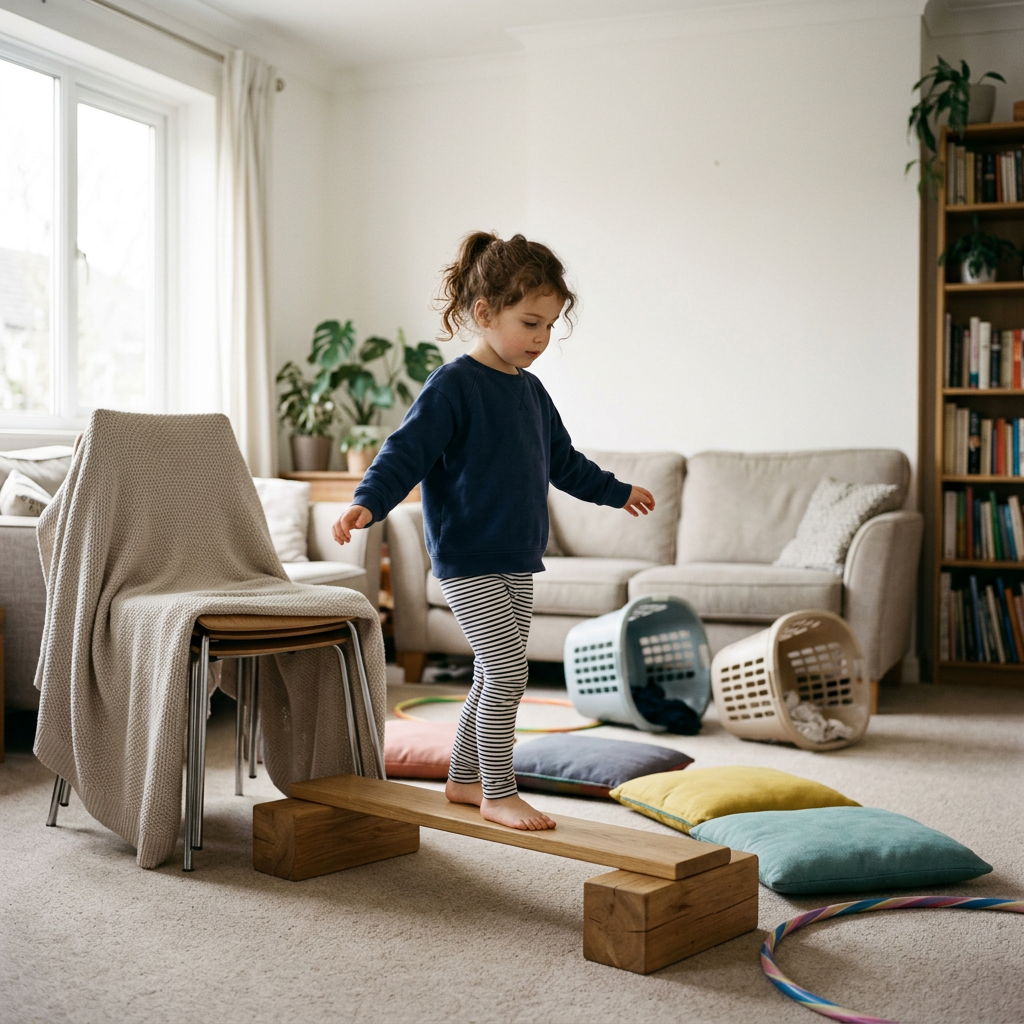
Incorporate Movement Throughout the Day
Children with ADHD often concentrate better after opportunities for movement.
Try scheduling regular movement breaks, such as:
Jumping jacks
Riding a scooter or bike
Playing outside
Dancing to music
Stretching
Obstacle courses
A short workout video
Movement isn't just about burning energy, it can help children regulate attention and prepare for learning.
Support Emotional Regulation
Many children with ADHD experience emotions very intensely.
Helping children recognize their feelings before they become overwhelmed can improve self-regulation.
Some calming strategies include:
Deep breathing
Quiet sensory breaks
Drawing or journaling
Listening to calming music
Using a designated calming space
Talking through emotions after everyone is calm
Remember that emotional regulation develops over time and requires practice.
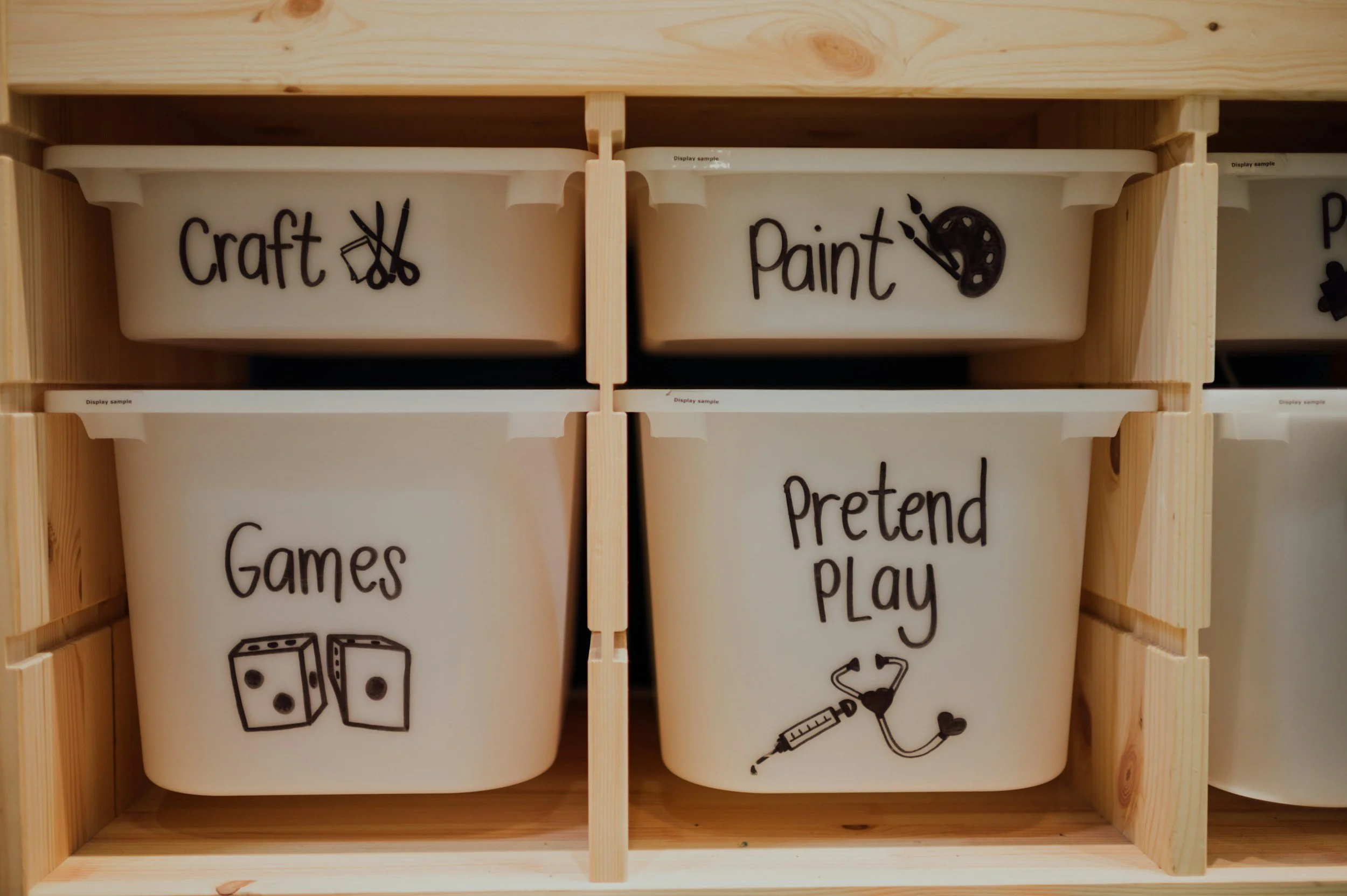
Simplify the Environment
Too many choices or distractions can make it harder for children to stay organized.
Simple changes may include:
Keeping toys in labeled bins
Limiting clutter in homework areas
Creating designated places for backpacks, shoes, and coats
Using baskets or organizers for school supplies
An organized environment helps reduce cognitive overload.
Celebrate Progress, Not Perfection
Children with ADHD receive frequent reminders about what they're doing wrong. Positive encouragement helps build confidence and motivation.
Notice specific successes, such as:
"You remembered your backpack today."
"You finished your homework before dinner."
"I noticed how hard you worked on staying calm."
Celebrating effort encourages children to continue developing new skills.
Parenting a child with ADHD can be both rewarding and challenging. While there is no one-size-fits-all approach, consistent routines, supportive environments, and individualized strategies can make a meaningful difference.
When Should You Consider Occupational Therapy?
If ADHD is making everyday routines difficult, occupational therapy may help. An occupational therapist can evaluate areas such as executive functioning, sensory processing, emotional regulation, fine motor skills, handwriting, and independence with daily activities.
Occupational therapy empowers children by teaching practical skills that help them participate more successfully in everyday activities, not by changing who they are, but by building on their strengths.
At Rochester Occupational Therapy Services, we work closely with families to develop practical strategies that fit naturally into daily life. Therapy is designed to build confidence, independence, and success at home, school, and in the community. If your child is struggling with attention, organization, emotional regulation, or daily routines, Rochester Occupational Therapy Services is here to help. Together, we can develop personalized strategies that support your child's growth, confidence, and independence. To schedule a free phone consultation, contact us.