
How to Keep Kids Active and Motivated During Winter
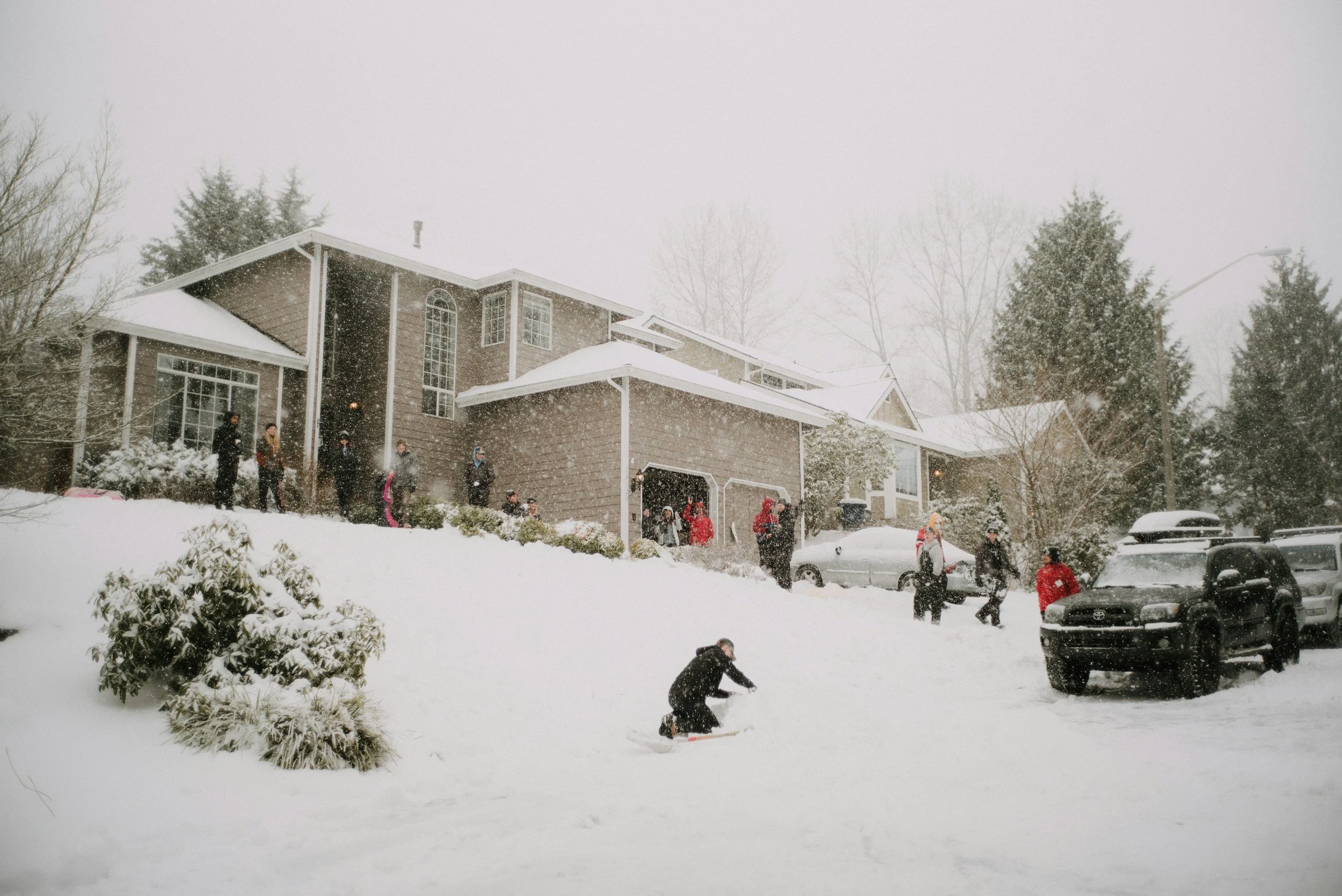
Winter can be a tough season for kids. Cold temperatures, shorter days, and limited outdoor play often lead to less movement, more screen time, and big changes in routines. For some children, especially those with sensory needs, developmental delays, or motor challenges this can impact regulation, attention, sleep, and overall mood.
Occupational therapy (OT) helps children stay active and engaged through play-based movement, structured routines, and adaptive strategies that support development all year long even during the winter months.
Here are OT-inspired tips to help your child stay active, motivated, and regulated this winter.
Why Movement Is So Important for Kids
Regular movement supports:
Gross and fine motor development
Sensory regulation and body awareness
Attention and learning
Emotional regulation
Sleep and overall behavior
When kids don’t get enough movement, parents may notice increased restlessness, meltdowns, difficulty focusing, or low motivation. The goal isn’t structured exercise it’s meaningful movement through play.
Safe Indoor Movement Ideas for Kids
When outdoor play isn’t an option, indoor movement can still meet your child’s sensory and motor needs.
1. Gross Motor Play at Home
Try activities that get the whole body moving:
Obstacle courses using pillows, chairs, and tunnels
Animal walks (bear crawl, crab walk, frog jumps)
Dancing or freeze dance to favorite songs
Jumping games (on a mat or carpeted surface)
These activities build strength, coordination, and body awareness.
2. Heavy Work Activities (Great for Sensory Regulation)
“Heavy work” helps calm and organize a child’s nervous system. Examples include:
Carrying laundry baskets or groceries
Pushing a laundry basket or box across the floor
Wall push-ups or chair push-ups
Helping with household chores like wiping tables or vacuuming
Many children focus better after heavy work activities.

3. Fine Motor Movement Breaks
Fine motor activities are a great way to help calm the body and engage the brain after big movement activities.
Try:
Play-dough squeezing and rolling
Theraputty or slime activities
Building with blocks or LEGOs
Cutting, coloring, or sticker activities
These can be great indoor options during cold winter days.
Building a Winter Routine That Works
Kids thrive on routine, especially when seasonal changes disrupt their normal schedules.
1. Schedule Movement Into the Day
Try adding short movement breaks:
Before school and after school
Between homework tasks
Before dinner or bedtime
Even 5–10 minutes of movement can make a big difference.
2. Use Visual Schedules
Visual schedules help children understand expectations and transitions. Including movement in the schedule can:
Increase motivation
Reduce resistance
Improve follow-through
An OT can help design a visual schedule that matches your child’s developmental level.
3. Keep It Fun and Child-Led
Let your child choose activities when possible. When kids feel in control, they’re more likely to participate and stay motivated.
Adaptive Tools That Support Winter Movement
Some tools can make indoor play safer and more engaging:
1. Movement & Sensory Tools
Therapy balls for bouncing, squishing, or seated play
Balance boards or stepping stones
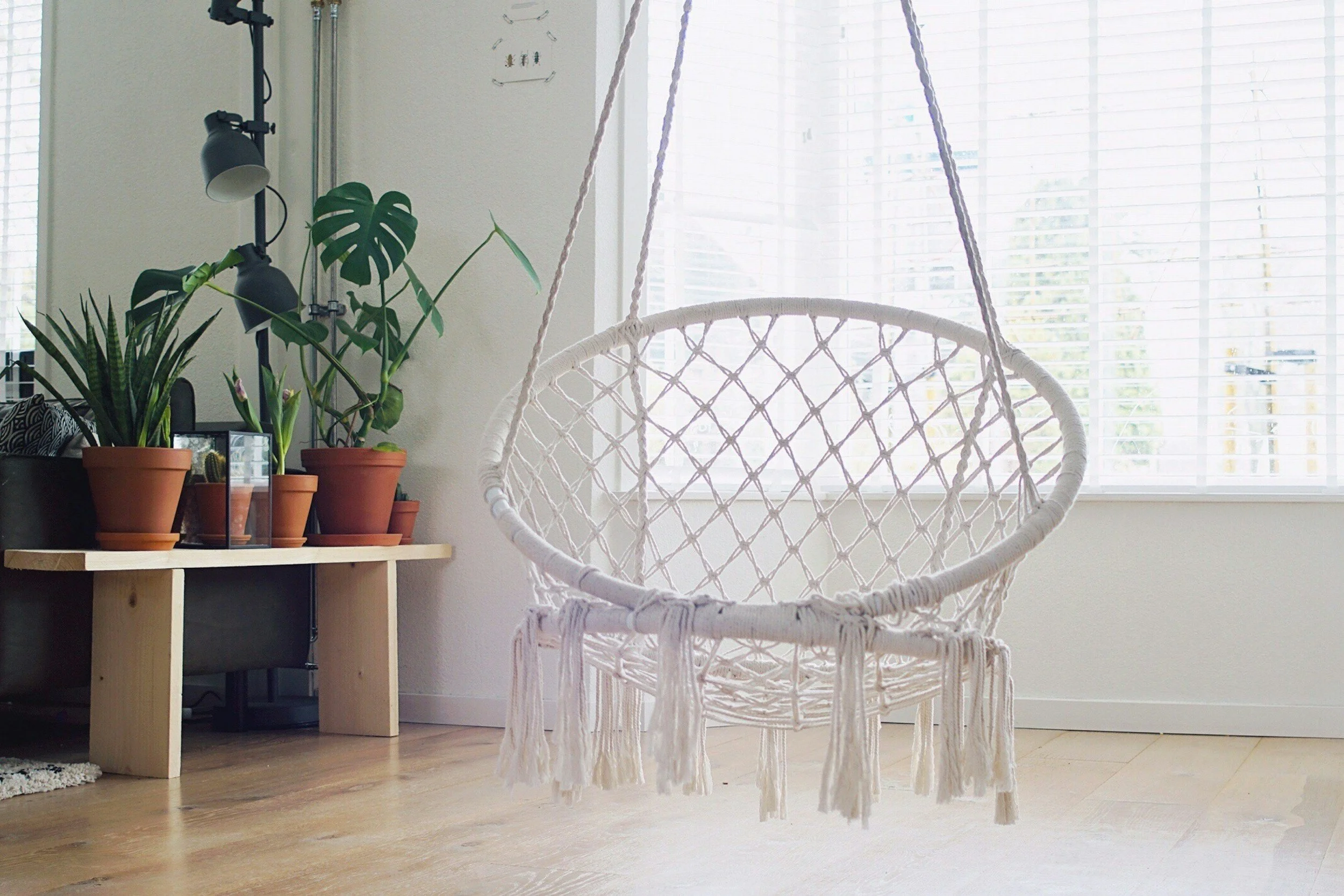
Indoor swings (when safely installed)
Sensory mats or crash pads
Scooter boards for rolling on their bellies or sitting and propelling themselves
2. Regulation Tools
Weighted blankets or lap pads (used appropriately)
Compression vests or clothing
Noise-reducing headphones for overstimulating environments
An occupational therapist can help determine which tools are appropriate for your child’s specific needs.
Supporting Motivation and Emotional Regulation
Winter can be especially challenging for children who struggle with transitions, emotional regulation, or sensory processing.
1. Keep Expectations Flexible
Some days will be harder than others and that’s okay. Focus on progress, not perfection.
2. Connect Movement to What Your Child Loves
Movement doesn’t have to look like “exercise.” It can be:
Acting out favorite stories
Playing pretend games
Building forts
Interactive video games that encourage movement
3. Watch for Signs Your Child Needs More Movement
Signs may include:
Increased meltdowns
Difficulty sitting still
Trouble focusing
Changes in sleep
These can indicate your child needs more sensory input or movement throughout the day.
How Occupational Therapy Can Help
Pediatric occupational therapists help children:
Develop motor, sensory, and self-regulation skills
Improve participation in daily routines
Build confidence through play
Learn coping and calming strategies
Support school and home success
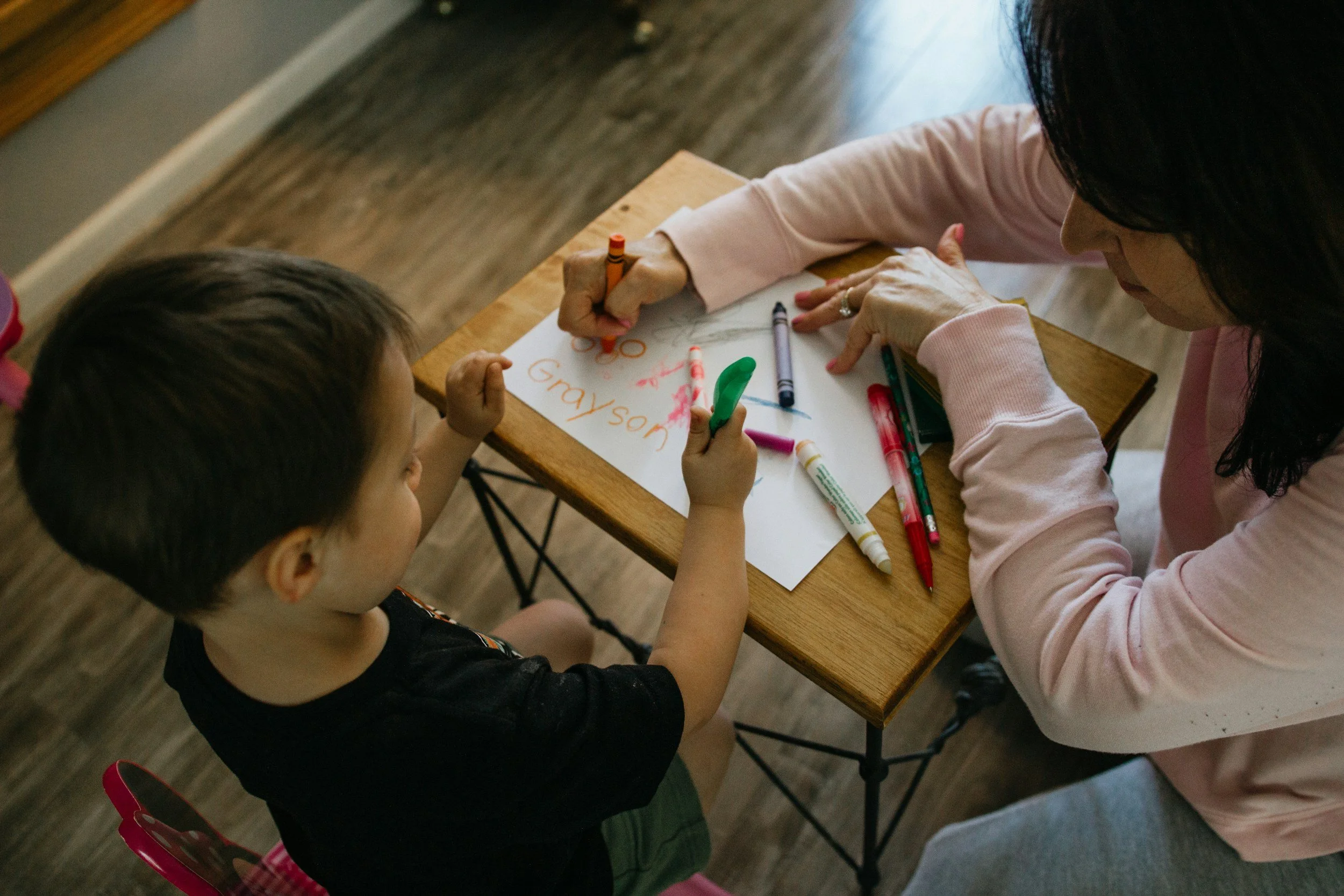
OT sessions are individualized, playful, and designed to help children succeed in their everyday environments even during challenging seasons like winter.
Winter doesn’t have to slow your child down. With safe indoor movement, predictable routines, and playful activities, kids can stay active, regulated, and engaged all season long. Occupational therapy offers families practical strategies to support development and make winter days more manageable and even fun.
If you have concerns about your child’s movement, sensory needs, or daily routines this winter, a pediatric occupational therapist can help create a plan tailored to your child and family.